Batchelors – Outernet – True Studio
April 2026
Client: Premier Foods – Batchelors
Agency: Epoch
Director: Issy Oakes
Production: True Studio
Director of Photography: Vladimir Studenic
Producer: Vinny Whiteman
Edit / Color Grade: Andrew Thomas
Photographer: Marc Haydon
Food Stylist: Jane Stevenson
Assistant: Zoe Warde-Aldam
Assistant: Roxy Owen
Project Overview: Batchelors Re-brand for Outernet London
In January 2026, I was commissioned by True Studio in London to work as the Director of Photography for a high-profile project for one of Premier Foods brand – Batchelors. The aim was to produce fifteen high-frame-rate food content videos, captured at a resolution exceeding 4K, for a large-scale digital exhibition at Outernet London. The unique technical demands of the Outernet display presented a significant challenge from very early of the conversation.
Pre-Production & Technical Strategy
During the pre-production phase, I collaborated closely with Director Issy Oakes and Producer/DIrector Vincent Whiteman to define the precise creative and technical parameters. Our primary focus was to establish the required motion characteristics for each food sequence, which would in turn dictate the camera and lighting specifications necessary to achieve the desired slow-motion effect at such a large resolution.
Camera System Evaluation & Selection
Our technical requirements immediately ruled out many conventional high-speed cameras. Systems from Blackmagic and RED, while capable, could not exceed 240 frames per second (fps) at the requisite 5K resolution. Even the Phantom VO, a staple for high-speed studio work, was deemed unsuitable due to limitations in its maximum resolution and available record time.
After a thorough evaluation, the Freefly Ember S5K was selected as the optimal camera for this project. Its ability to capture 5K resolution at over 436 fps with a 5:4 sensor ratio made it the perfect solution. Furthermore, its compact form factor and user-friendly interface proved to be significant assets on set.
Moving noodle shot
Execution of the Multi-Plate Noodle Composite Shot
The final composition was created by combining five distinct plates, all filmed from same top down angle of a single, large tray of noodles. This approach required a precise and repeatable methodology to get the shots as close as possible for the final composite.
Concept and Motion System
The concept was to treat the tray of noodles as a miniature set, capturing four “walls” and a “ceiling” as separate elements. After the client approved the noodle scale, we implemented a practical motion system to create subtle, organic movement. This was achieved by rigging Lego blocks attached to fishing wire beneath the surface of the noodles. By gently pulling the wires from off-camera, we could introduce controlled motion into the scene. For one section, the movement was instead motivated by a fork entering the frame.
The key to this technique was mounting the camera on a heavy-duty, precision camera slider, which allowed for exact, repeatable movements between each shot.
The process was as follows:
- Framing and Marking: We began by framing the first section (the “east wall”). To help with the eventual composite, we used a long BBQ skewer to mark the exact edge of the frame.
- Capture: The skewer was removed, and we captured the plate with the subtle, wire-induced movement.
- Repositioning: Using the precision slider, we accurately repositioned the camera to frame the next section repeating the marking and capture process for each screen
For the final “ceiling” shot, the methodology was inverted. We kept the camera locked in its last position and instead physically slid the entire tray of noodles into the frame to capture the final plate.
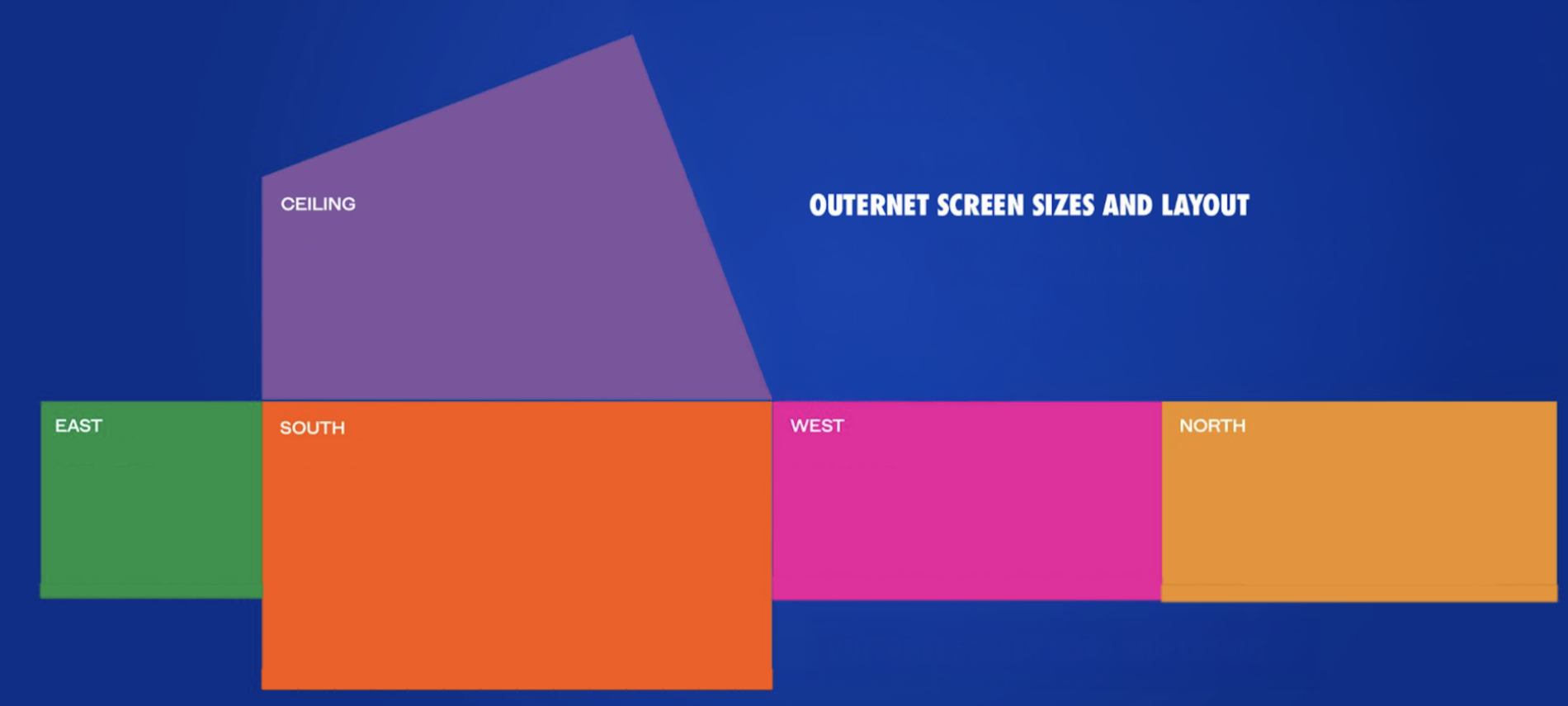
Visual of Outernet screens to determine ratio of the content we need to shoot. This helped us to adjust the resolution of each shot.
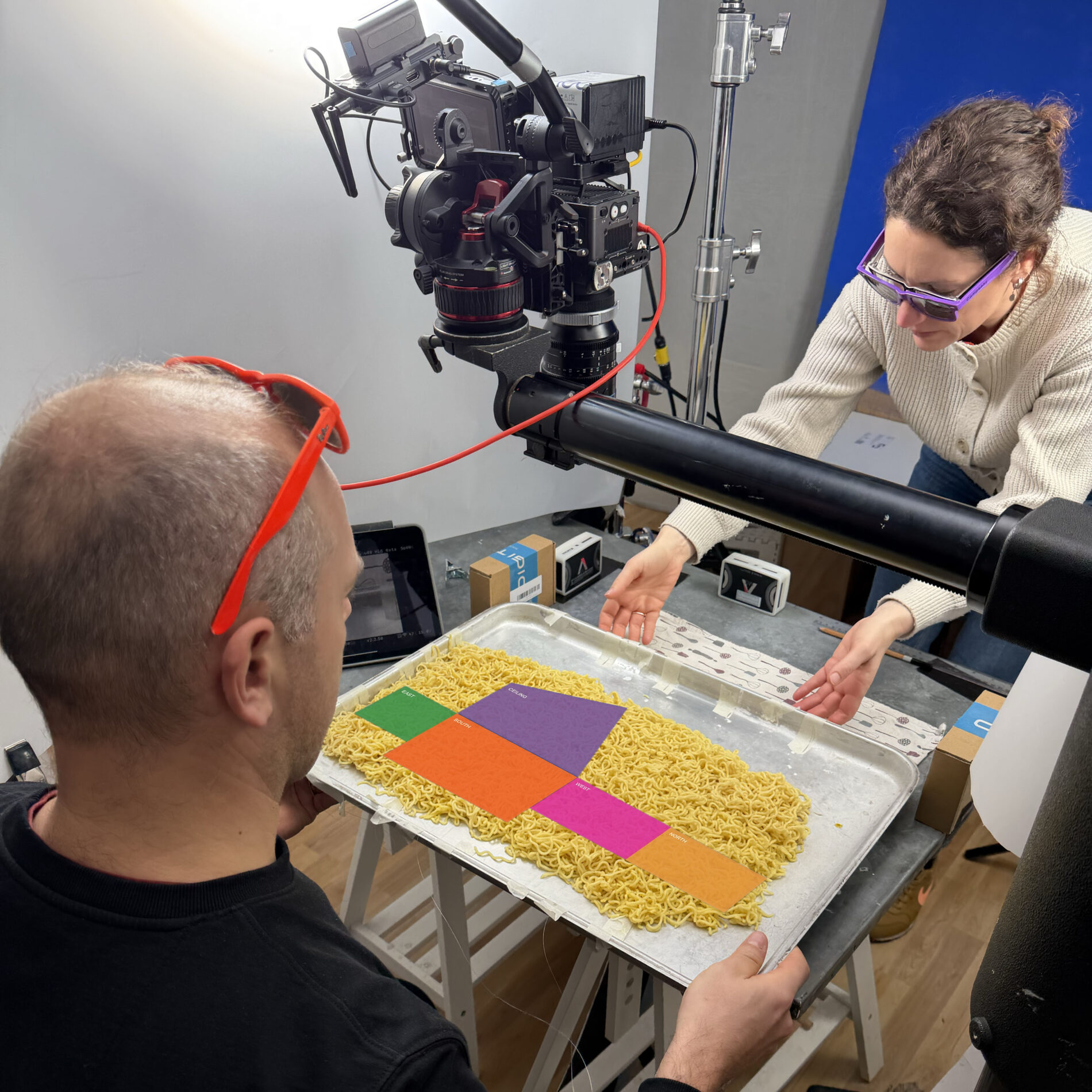
This is the technique we used to shoot the noodles shot that Outernet was wrapped in.
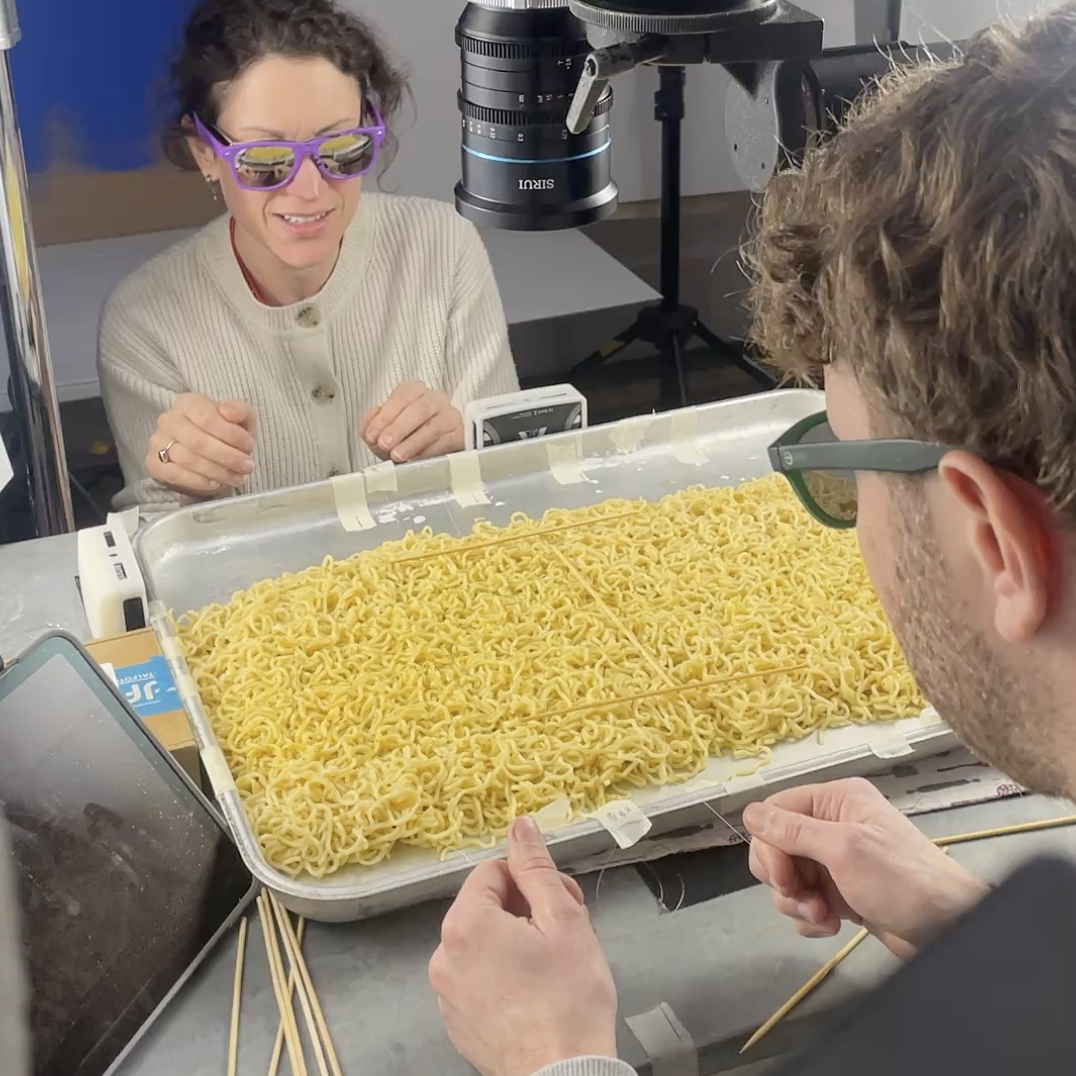
This is the final movement of the shots for with our lego/fishing wire technique, this was also shot in 200fps and 5k resolution and when it was slowed down, all resulted in very subtle slow movement.
Noodles & Pasta rotating
Although this shot looks very simple in theory, aligning the two shots perfectly in practice was quite challenging. We needed to find the exact centre of the board where the food was placed. In the video, you can see the straightforward method we used to locate the centre and position the bowl precisely.
Once the bowl was correctly placed, Jane, our wonderful food stylist, carefully styled the dish from all angles. She ensured the presentation was consistent 360 degrees, with the sides and peak at the same height and the overall composition visually balanced.
Soup shot on angle – addition to the same set up
This angled soup shot was captured both with and without steam. To create the steam effect, we used a small smoke machine with an extended exhaust, which helped slow down the flow. Steam coming out of the machine simply wrapped around the top of the mug and this resulted in steam coming out of the soup itself rather than steaming behind the mug – judge the effect by yourself.
Rotating fork with noodles
The importance of this shot was mostly the detail of the food itself, very challenging for our food stylist Jane, she managed to wrap the noodles around the fork in a beautiful way.
Pasta Cascade
The ‘Cascading Pasta’ Shot
That slow-motion pasta shot was a really fun puzzle to solve. The goal was to make it look like a beautiful, endless river of pasta, but that’s easier said than done!
The first, and biggest, challenge was light. To get that ultra-smooth slow-motion effect, we had to film at 800 frames per second. At that speed, the camera’s shutter is opening and closing so fast that it needs a massive amount of light to see anything. We ended up using a combined 4000 watts of power, basically creating our own miniature sun on set. This allowed us to keep everything in sharp focus, so you could see every detail on every piece of pasta.
Our solution for getting the pasta to flow nicely was actually pretty low-tech: a simple PVC gutter from a hardware store! We spent a good amount of time just tilting it back and forth until we found the perfect angle for a smooth, cascading slide.
Of course, the star of the show was the pasta itself. Our food stylist, Jane, had the painstaking job of sifting through pounds of it to remove any broken bits. We only wanted “hero” pasta on camera.
The client needed a final clip that was 50 seconds long. Because of the slow-motion effect, that meant we had to capture at least four seconds of perfect, continuous pasta flow. As you can imagine, pasta has a mind of its own, so we couldn’t get it right in one go. We ended up doing about 10 different takes to capture enough beautiful moments.
The real magic happened in the edit. Because we were very careful to never move the camera or change the lighting between takes, we could “steal” the best seconds from each attempt. We then seamlessly stitched them all together to create one long, flawless shot. So, while it looks like a single perfect take, it’s actually a composite of all the best moments we captured.
BTS
we also made little video talking about this porject – take a look bellow
Marc Haydon photography
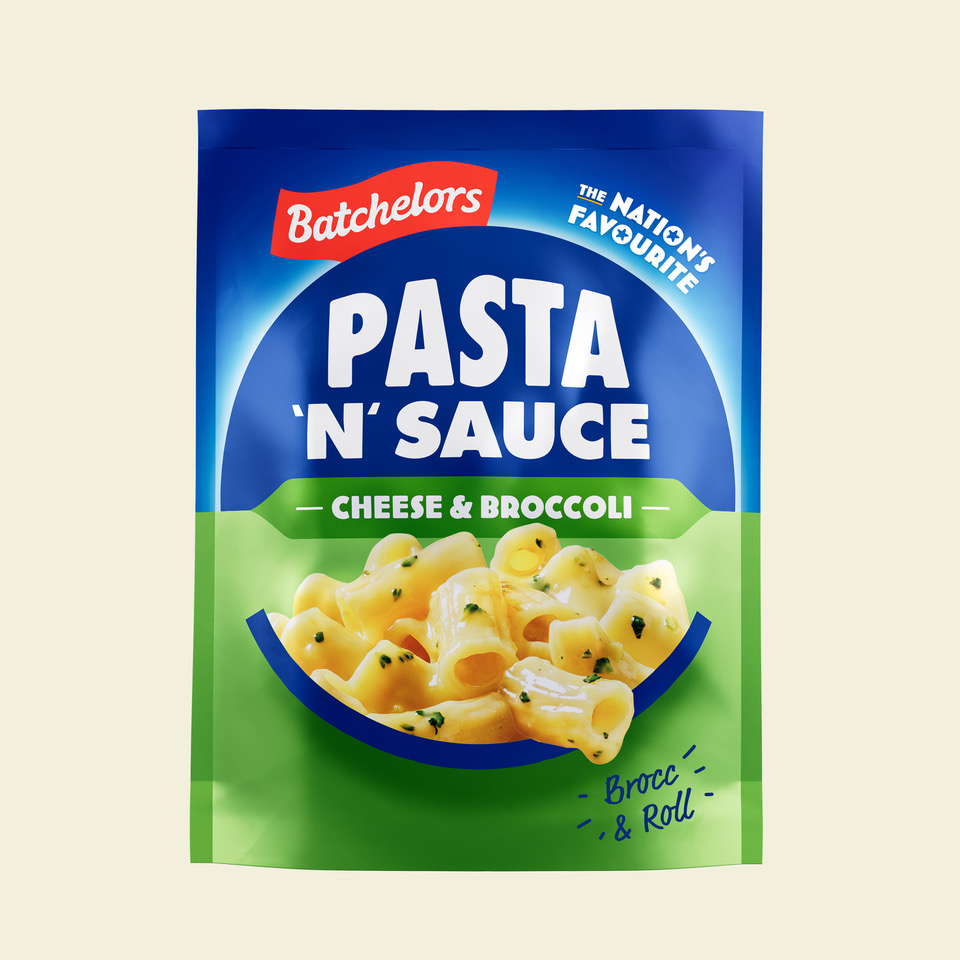
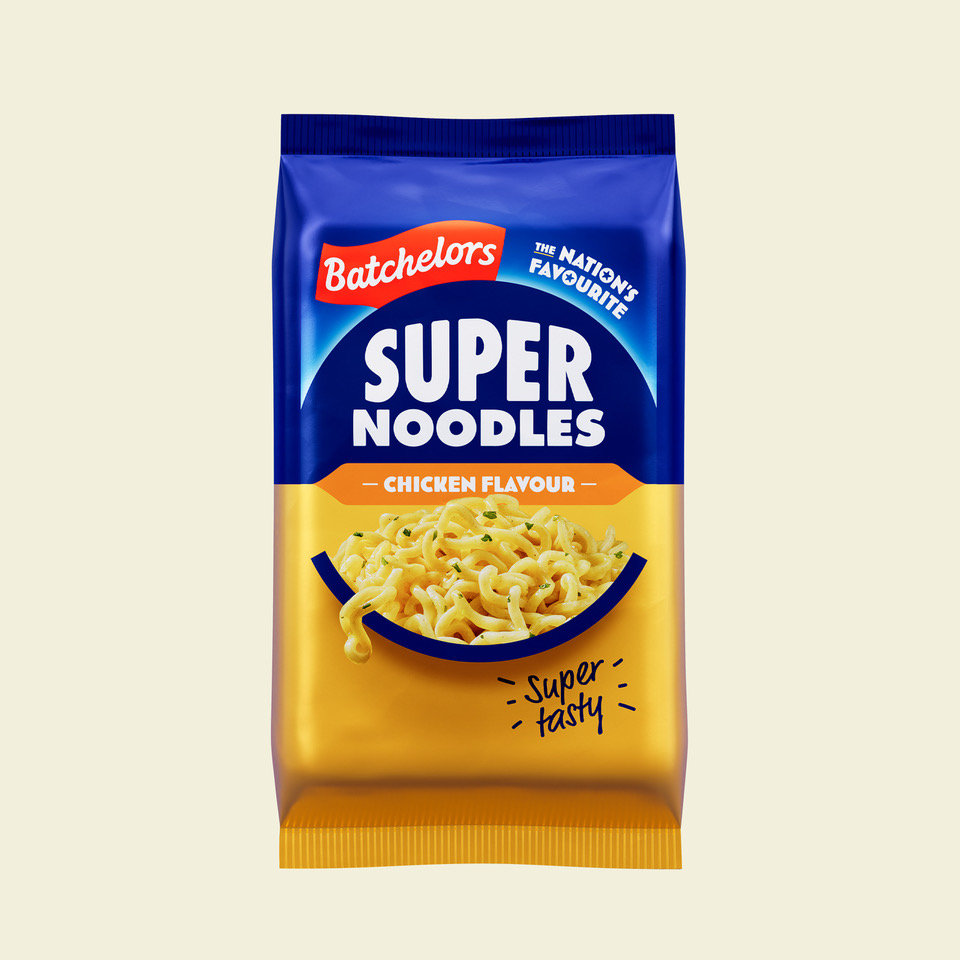
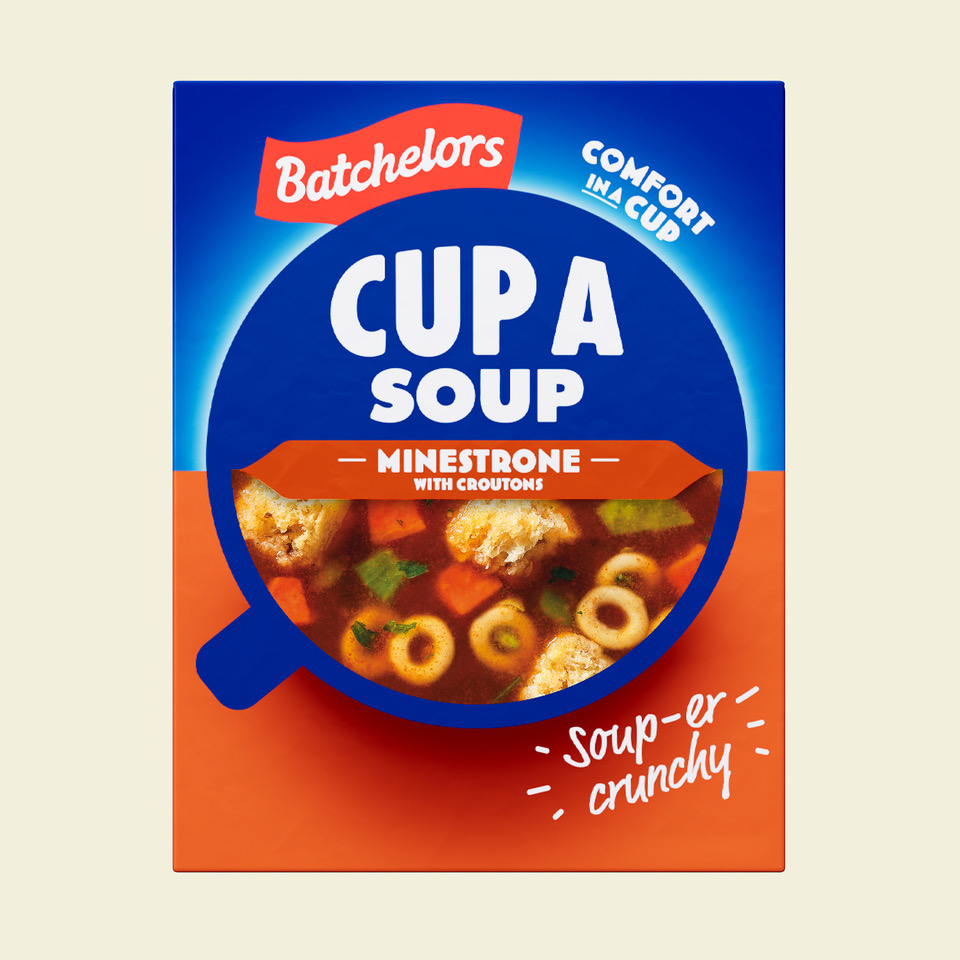
This project was part of larger re-branding for Batchelors, in which Marc Haydon captured stunning imagery for all the packaging. His photography style was perfect match for the brand and elevated the whole experience for the takeover at Outernet.